
How to Integrate GPT-4 into Your Laravel SaaS Application

Integrating GPT-4 into your Laravel SaaS application can greatly enhance its capabilities by offering features like smart chatbots, content generation, summarization, and more. In this beginner-friendly guide, we’ll walk through the entire process of integrating OpenAI's GPT-4 into a Laravel 10+ application using the official PHP SDK.
🚪 Prerequisites
Make sure you have the following before starting:
- Laravel 10 or higher
- PHP 8.2+
- Composer installed
- An OpenAI API key (get it here)
⚙️ Step 1: Install the OpenAI Laravel Package
Open your terminal in the Laravel project directory and run:
composer require openai-php/laravel
Next, publish the config file:
php artisan openai:install
This will add a new config file: config/openai.php and update your .env file.
🔐 Step 2: Add Your OpenAI API Key
Open your .env file and add:
OPENAI_API_KEY=your-api-key-here
OPENAI_ORGANIZATION=your-org-id # Optional
Make sure config/openai.php references these values.
🧠 Step 3: Create a Service to Interact with OpenAI
Run the command to make a new service class:
php artisan make:service OpenAIService
In app/Services/OpenAIService.php, add the following:
<?php

namespace App\Services;

use OpenAI\Laravel\Facades\OpenAI;

class OpenAIService
{
    public function generateChatResponse(string $prompt): string
    {
        $response = OpenAI::chat()->create([
            'model' => 'gpt-4',
            'messages' => [
                ['role' => 'user', 'content' => $prompt],
            ],
        ]);

        return $response->choices[0]->message->content;
    }
}
📝 Step 4: Create a Controller to Handle Requests
Run:
php artisan make:controller OpenAIController
Then edit app/Http/Controllers/OpenAIController.php:
<?php

namespace App\Http\Controllers;

use Illuminate\Http\Request;
use App\Services\OpenAIService;

class OpenAIController extends Controller
{
    protected $openAIService;

    public function __construct(OpenAIService $openAIService)
    {
        $this->openAIService = $openAIService;
    }

    public function generateResponse(Request $request)
    {
        $request->validate([
            'prompt' => 'required|string',
        ]);

        try {
            $response = $this->openAIService->generateChatResponse($request->input('prompt'));
            return response()->json(['response' => $response]);
        } catch (\Exception $e) {
            return response()->json(['error' => 'Something went wrong.'], 500);
        }
    }
}
🚧 Step 5: Add Routes
Open routes/web.php or routes/api.php and add:
use App\Http\Controllers\OpenAIController;

Route::post('/generate-response', [OpenAIController::class, 'generateResponse']);
Route::get('/gpt', function () {
    return view('gpt');
});
🎨 Step 6: Build the Frontend
Create a Blade view: resources/views/gpt.blade.php:
<!DOCTYPE html>
<html>
<head>
    <title>GPT-4 Integration</title>
</head>
<body>
    <h1>Ask GPT-4</h1>
    <form id="gpt-form">
        @csrf
        <textarea name="prompt" id="prompt" rows="4" cols="50" placeholder="Enter your prompt here..."></textarea><br>
        <button type="submit">Submit</button>
    </form>
    <div id="response"></div>

    <script>
        document.getElementById('gpt-form').addEventListener('submit', function(e) {
            e.preventDefault();
            fetch('/generate-response', {
                method: 'POST',
                headers: {
                    'Content-Type': 'application/json',
                    'X-CSRF-TOKEN': '{{ csrf_token() }}'
                },
                body: JSON.stringify({
                    prompt: document.getElementById('prompt').value
                })
            })
            .then(response => response.json())
            .then(data => {
                document.getElementById('response').innerText = data.response || data.error;
            });
        });
    </script>
</body>
</html>
🚀 Step 7: Test Everything
Run your server:
php artisan serve
Visit http://localhost:8000/gpt, enter a prompt, and see the response from GPT-4!
🛡️ Step 8: Add Rate Limiting & Error Handling
To protect your app:
Rate Limiting
Use Laravel’s built-in throttle middleware:
Route::middleware('throttle:60,1')->post('/generate-response', [OpenAIController::class, 'generateResponse']);
Error Handling
Already handled in the controller using try-catch. You can log errors for further inspection if needed.
📊 Step 9: Write a Test
Generate a test file:
php artisan make:test OpenAIIntegrationTest
In tests/Feature/OpenAIIntegrationTest.php:
<?php

namespace Tests\Feature;

use Tests\TestCase;

class OpenAIIntegrationTest extends TestCase
{
    /** @test */
    public function it_returns_a_response_from_gpt()
    {
        $response = $this->postJson('/generate-response', [
            'prompt' => 'Hello, GPT-4!'
        ]);

        $response->assertStatus(200)
                 ->assertJsonStructure(['response']);
    }
}
Run your test:
php artisan test
🔄 Bonus: Use LaravelGPT for Advanced Use Cases
Consider using LaravelGPT if you need:
- Function calling
- Custom workflows
- Multi-turn conversations
✅ Conclusion
You’ve now successfully integrated GPT-4 into your Laravel SaaS application! With GPT-4, your app can offer intelligent, conversational capabilities and enhance user experience like never before.
Keep experimenting, monitor your usage, and build amazing things!
Projects to explore next
Source-code projects from the KritiMyantra catalogue. Check each project's details before buying.
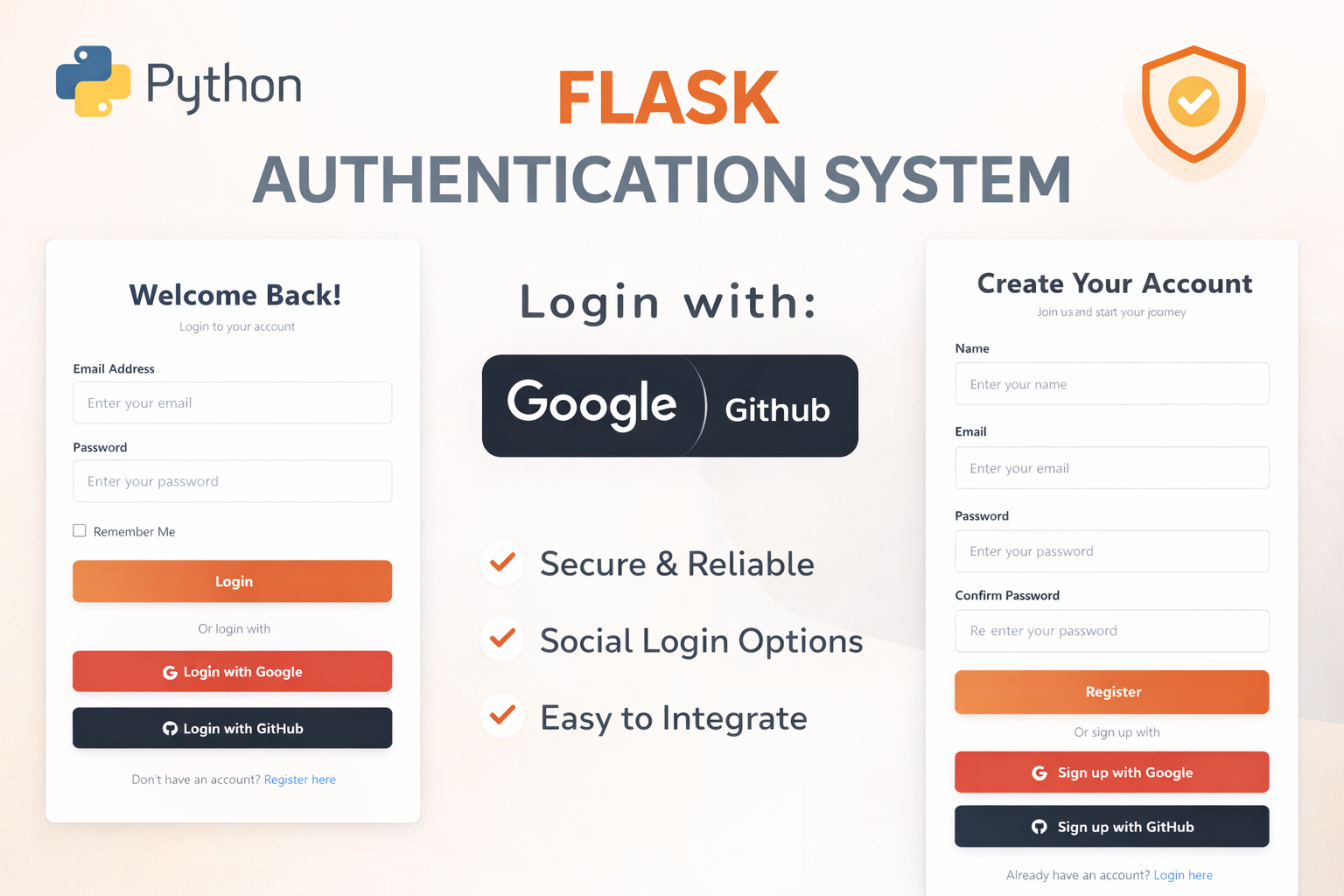
Flask Authentication System (Free Version) - Kritim Yantra
🛠 Features✔ Google & GitHub Authentication✔ User Registration & Login✔ Profile/Dashboard Access✔ Secure & Mi...

Flask Blog CMS with Admin Dashboard — Python Source Code
A Flask-based blogging website with a built-in admin dashboard. Manage articles, images, categories, tags and featured p...
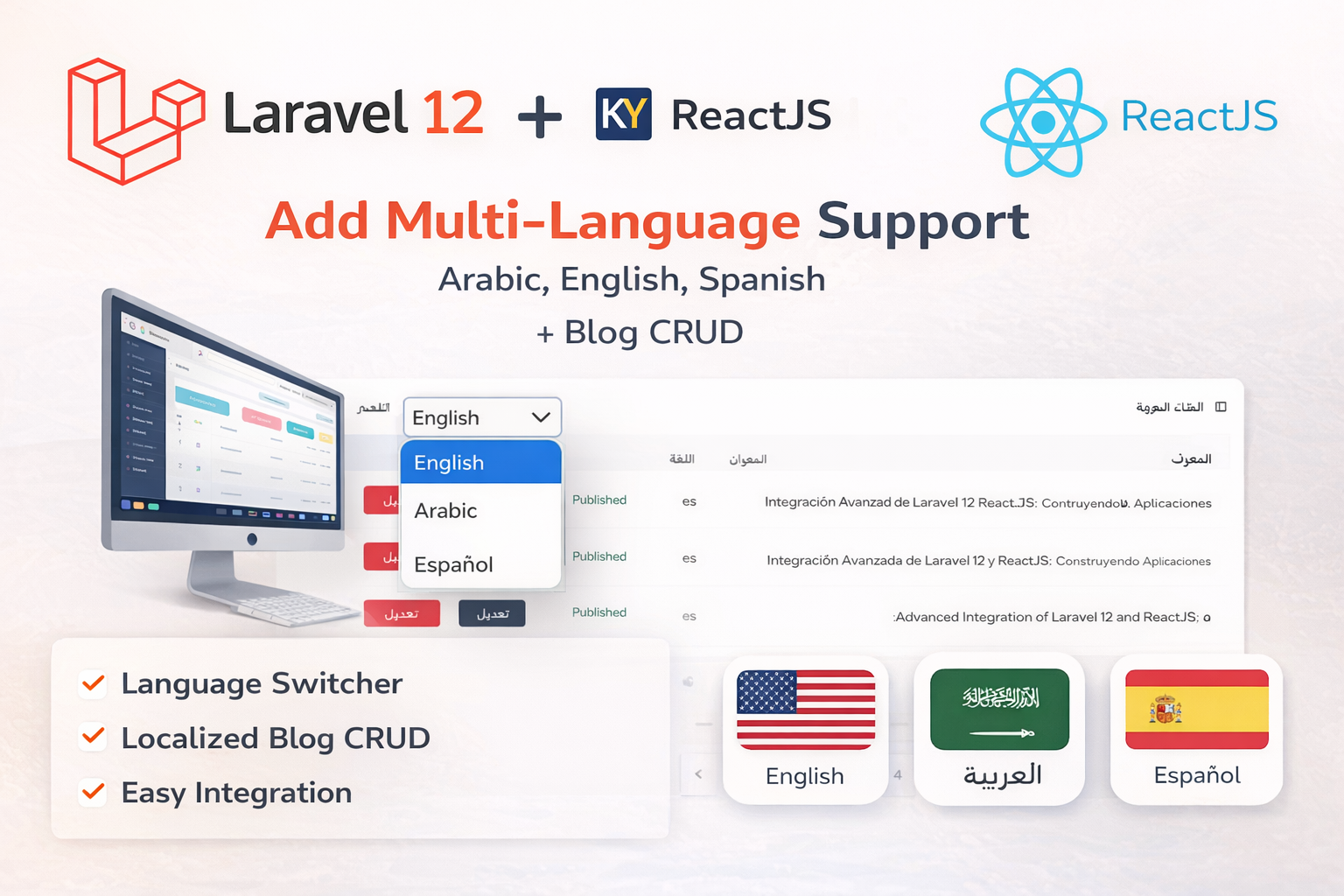
Laravel 12 + ReactJS Starter Kit: Add Multi-Language Support (Arabic, English, Spanish) with Blog CRUD
🚀 Installation & Setup Download & Extract Get the ZIP from kritimyantra.com and extract it. Includes preconfigu...
Top 5 Simple Projects to Build with Large Language Models (LLMs) – For Absolute Beginners
So far, you've learned what LLMs are and how to craft better prompts. Now, it's time to build something cool! 🎯 In this blog, we’...
LLMs for Beginners: Core Concepts Explained in Simple Terms
So, you’ve heard about ChatGPT, Claude, Gemini, and other AI tools—but how do they actually work? What are LLMs really doing under...
What Are LLM Agents and the Model Context Protocol (MCP)? A Beginner's Guide
As AI becomes more powerful, simply asking a chatbot for answers isn’t enough. We now want AI systems that think, reason, and act...
Comments
No comments yet. Be the first to comment.
Sign in to join the discussion.