
Laravel 12: Debugging & Optimizing SQL Queries for Peak Performance

Ever felt like your Laravel app is running slower than a snail on vacation? 🐌💨 The culprit? Inefficient database queries!
Debugging and optimizing SQL queries in Laravel 12 can dramatically speed up your app and make debugging a breeze. Whether you're a beginner or a seasoned dev, this guide will help you find, fix, and optimize those pesky slow queries.
🔍 Why Debug and Optimize SQL Queries?
Before diving in, let’s understand why this matters:
✅ Faster App Performance – Slow queries = slow app. Optimized queries = happy users.
✅ Lower Server Costs – Efficient queries use fewer server resources.
✅ Easier Debugging – Quickly find bottlenecks in your code.
🛠 1. Debugging SQL Queries in Laravel 12
Laravel provides built-in tools to help you see what’s happening behind the scenes.
🔹 Method 1: Enable Debug Mode
First, ensure debugging is enabled in .env:
APP_DEBUG=true
This will show detailed error logs when something goes wrong.
🔹 Method 2: Log All SQL Queries
Want to see every query running? Add this to AppServiceProvider.php:
public function boot()
{
    if (env('APP_DEBUG')) {
        \DB::listen(function ($query) {
            \Log::info([
                'query' => $query->sql,
                'bindings' => $query->bindings,
                'time' => $query->time
            ]);
        });
    }
}
Now check storage/logs/laravel.log for all executed queries!
🔹 Method 3: Use Laravel Telescope (For Supercharged Debugging)
Telescope is Laravel’s debug dashboard. Install it:
composer require laravel/telescope
php artisan telescope:install
php artisan migrate
Visit /telescope to see:
✔ Executed Queries
✔ Request/Response Data
✔ Performance Metrics
⚡ 2. Optimizing SQL Queries
Now that we’ve found slow queries, let’s optimize them!
🔹 Tip 1: Use Eager Loading (Avoid N+1 Problem)
❌ Bad Way (N+1 Queries)
$users = User::all();
foreach ($users as $user) {
    echo $user->posts->count(); // New query per user!
}
✅ Good Way (1 Query with Eager Loading)
$users = User::with('posts')->get();
foreach ($users as $user) {
    echo $user->posts->count(); // No extra queries!
}
🔹 Tip 2: Select Only Needed Columns
Instead of fetching all columns:
User::all(); // SELECT * FROM users
Fetch only what you need:
User::select('id', 'name')->get(); // SELECT id, name FROM users
🔹 Tip 3: Use Database Indexing
Indexes speed up searches. Add them in migrations:
Schema::table('users', function (Blueprint $table) {
    $table->index('email'); // Faster email searches!
});
🔹 Tip 4: Cache Frequent Queries
Why run the same query repeatedly? Cache it!
$users = Cache::remember('active_users', 3600, function () {
    return User::where('active', 1)->get();
});
Now, the query runs only once per hour!
📊 3. Monitoring Query Performance
🔹 Laravel Debugbar
Install this handy package:
composer require barryvdh/laravel-debugbar --dev
It shows:
✔ Query Execution Time
✔ Memory Usage
✔ Duplicate Queries
🔹 Slow Query Logs in MySQL
Enable MySQL’s slow query log in my.cnf:
slow_query_log = 1
slow_query_log_file = /var/log/mysql/mysql-slow.log
long_query_time = 2
Now, MySQL logs queries taking longer than 2 seconds.
🎯 Key Takeaways
✔ Enable APP_DEBUG & log queries to find performance issues.
✔ Use Eager Loading (with()) to avoid N+1 problems.
✔ Select only necessary columns to reduce data load.
✔ Add indexes to frequently searched columns.
✔ Cache results for repeated queries.
✔ Use Laravel Telescope & Debugbar for real-time monitoring.
Final Thoughts
Optimizing SQL queries in Laravel 12 boosts speed, saves resources, and improves user experience. Start debugging today, and watch your app fly! 🚀
Got questions? Drop them in the comments! 💬👇
Happy coding! 💻🔥
Projects to explore next
Source-code projects from the KritiMyantra catalogue. Check each project's details before buying.
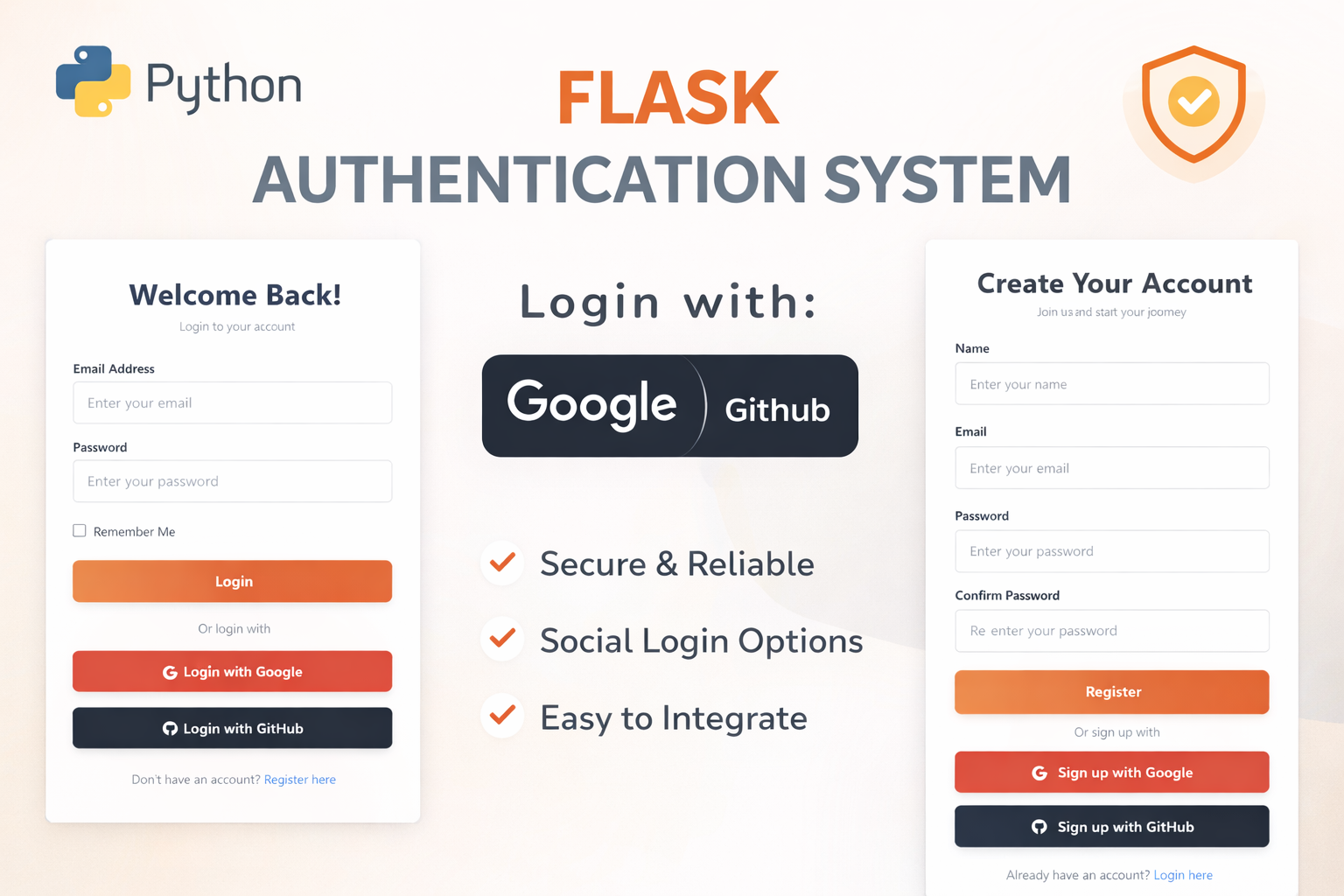
Flask Authentication System (Free Version) - Kritim Yantra
🛠 Features✔ Google & GitHub Authentication✔ User Registration & Login✔ Profile/Dashboard Access✔ Secure & Mi...

Python Flask Blog Project with Admin Panel
Are you ready to launch a powerful, modern, and fully customizable blog? Look no further! Introducing the Flask-Blog Pro...
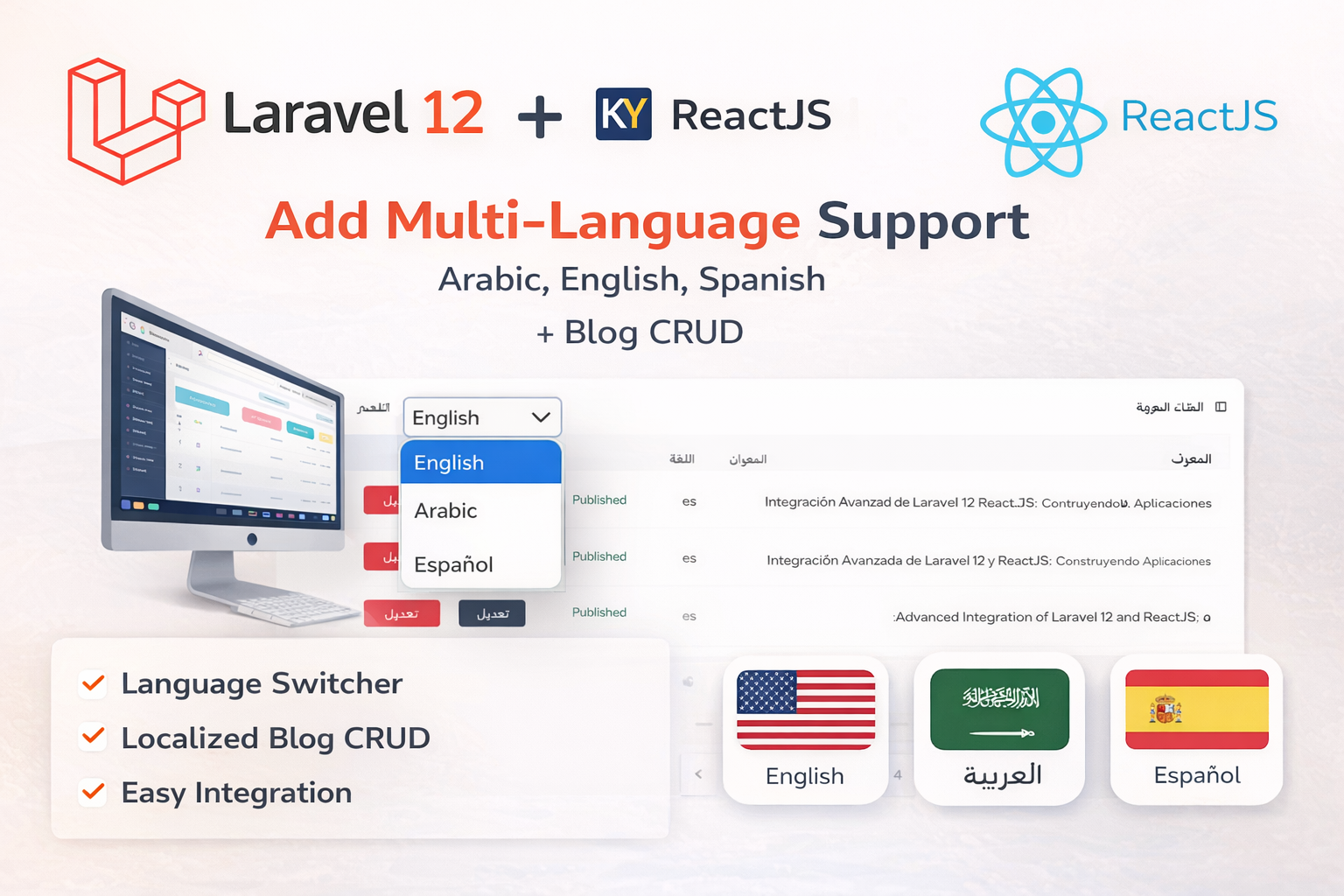
Laravel 12 + ReactJS Starter Kit: Add Multi-Language Support (Arabic, English, Spanish) with Blog CRUD
🚀 Installation & Setup Download & Extract Get the ZIP from kritimyantra.com and extract it. Includes preconfigu...
Install Laravel Breeze Package in Laravel 12
Hey there! If you’re diving into Laravel 12 and want to add a simple, reliable authentication system to your project, you’re in th...
Connecting Laravel 12 with Vuetify via API: A Comprehensive Guide
It seems likely that connecting a Vuetify front-end with a Laravel 12 back-end via API involves setting up both systems separately...
Laravel 12 CRUD API with Error Handling
In this blog, we'll walk through creating a simple CRUD (Create, Read, Update, Delete) API using Laravel 12. We'll also implement...
Comments
No comments yet. Be the first to comment.
Sign in to join the discussion.