
How to Become a Laravel Developer: A Step-by-Step Guide

Laravel is one of the most popular PHP frameworks, known for its elegant syntax, powerful features, and strong community support. If you're looking to become a Laravel developer, you're on the right path to building modern, scalable, and maintainable web applications. This blog will guide you through the steps to become a proficient Laravel developer—even if you're starting from scratch.
Who is a Laravel Developer? 🤔
A Laravel developer is a web developer who specializes in using the Laravel framework to build web applications. They are skilled in PHP, understand the MVC (Model-View-Controller) architecture, and use Laravel's tools and features to create efficient and secure applications.
Steps to Become a Laravel Developer 🛠️
1. Learn the Basics of Web Development
Before diving into Laravel, you need a solid foundation in web development. Here’s what you should learn:
- HTML/CSS: For structuring and styling web pages.
- JavaScript: For adding interactivity to your websites.
- PHP: Since Laravel is a PHP framework, understanding PHP is essential. Learn basics like variables, loops, functions, and object-oriented programming (OOP).
2. Understand the MVC Architecture 📐
Laravel follows the MVC pattern, which separates an application into three components:
- Model: Manages data and business logic.
- View: Manages the presentation layer (UI).
- Controller: Acts as an intermediary between the Model and View.
3. Install Laravel and Set Up Your Environment 💻
To start working with Laravel, you need to set up your development environment:
- Install PHP (version 8.0 or higher).
- Install Composer: Download and install it from getcomposer.org.
-
Create a Laravel Project: Open your terminal and run:
Replacecomposer create-project --prefer-dist laravel/laravel myLaravelAppmyLaravelAppwith your project’s name. -
Serve the Application: Navigate to the project directory and start the development server:
Visit http://localhost:8000 in your browser.cd myLaravelApp php artisan serve
4. Learn the Fundamentals of Laravel 🔍
Once your environment is set up, dive into the core concepts of Laravel:
- Routing: Define how your application responds to client requests.
- Controllers: Handle the logic of your application.
- Blade Templating: Create dynamic views with Laravel’s Blade engine.
- Eloquent ORM: Interact with your database using Laravel’s ORM.
- Migrations: Manage database schema changes.
- Middleware: Filter HTTP requests and responses.
5. Build Small Projects 📝
The best way to learn Laravel is by building projects. Start with simple applications like:
- A to-do list app
- A blog system
- A CRUD application
6. Explore Advanced Laravel Features 🚀
Once you’re comfortable with the basics, dive into advanced topics such as:
- Authentication: Implement user registration and login.
- API Development: Build RESTful APIs using Laravel.
- Testing: Write unit and feature tests with PHPUnit or Pest.
- Queues and Jobs: Handle time-consuming tasks asynchronously.
- Events and Listeners: Implement event-driven programming.
7. Learn Frontend Integration 🎨
Modern web applications often require frontend frameworks like Vue.js or React. Learn how to integrate these with Laravel:
- Use Laravel Mix to compile assets (CSS, JavaScript).
- Build single-page applications (SPAs) with Laravel as the backend.
8. Master Database Management 🗄️
A Laravel developer must be proficient in working with databases:
- Learn relational databases like MySQL or PostgreSQL.
- Use Eloquent for database interactions.
- Explore caching and session management with Redis.
9. Follow Best Practices ✅
Writing clean and maintainable code is essential. Follow Laravel’s best practices:
- Use namespaces and adhere to PSR standards.
- Keep your controllers thin by moving logic to services or repositories.
- Validate user input to ensure security.
- Write unit tests to ensure your code works as expected.
10. Join the Laravel Community 🌐
The Laravel community is active and supportive. Engage with others to learn and grow:
- Join forums like Laravel.io or Reddit’s r/laravel.
- Follow Laravel experts on Twitter and YouTube.
- Attend Laravel meetups and conferences.
11. Contribute to Open Source 💡
Contributing to open-source projects is a great way to improve your skills and gain recognition. Look for Laravel projects on GitHub and start contributing.
12. Build a Portfolio 📁
Showcase your work by building a portfolio that includes:
- Personal projects
- Open-source contributions
- Freelance or client work
13. Apply for Laravel Developer Jobs 💼
Once you’re confident in your skills, start applying for Laravel developer roles on platforms like LinkedIn, Indeed, or Laravel-specific job boards.
Skills Required to Become a Laravel Developer
- Proficiency in PHP and OOP
- Understanding of MVC architecture
- Knowledge of database management (MySQL, PostgreSQL)
- Familiarity with frontend technologies (HTML, CSS, JavaScript)
- Experience with version control systems like Git
- Strong problem-solving and debugging skills
Tips for Success
- Practice Regularly: Consistent practice is key to mastering Laravel.
- Stay Updated: Laravel releases new versions frequently; keep up with the latest features.
- Ask for Help: Participate in forums and communities for guidance.
- Build Real-World Projects: Focus on projects that solve real problems.
- Network: Connect with other developers to share knowledge and grow.
Conclusion
Becoming a Laravel developer is an exciting journey that opens up numerous opportunities in the web development industry. By following the steps outlined in this guide, you can build a strong foundation, master Laravel’s features, and create impressive web applications. Remember, consistency and practice are key to success.
Start small, keep learning, and soon you’ll be a skilled Laravel developer ready to take on any challenge. Happy coding!
Projects to explore next
Source-code projects from the KritiMyantra catalogue. Check each project's details before buying.
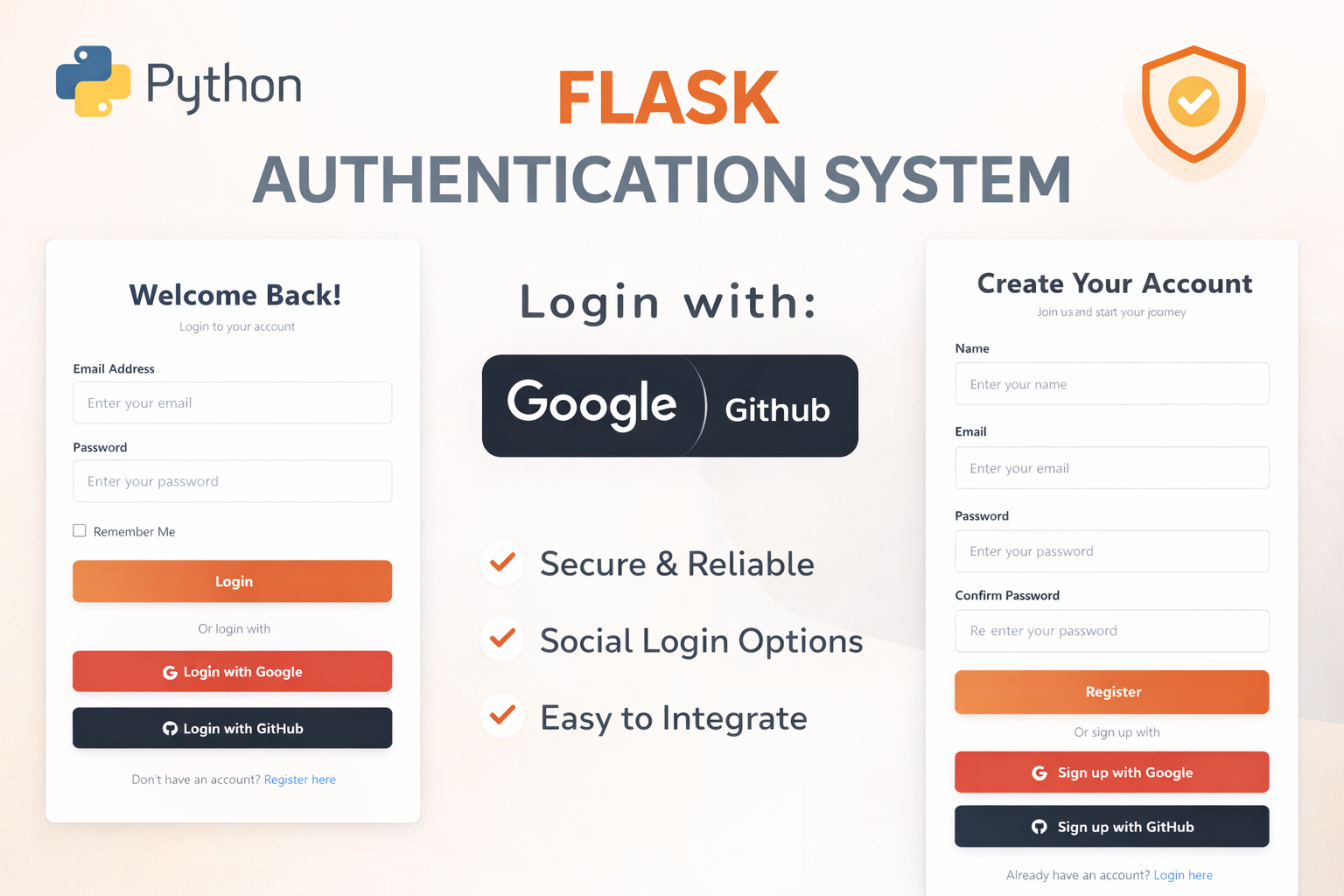
Flask Authentication System (Free Version) - Kritim Yantra
🛠 Features✔ Google & GitHub Authentication✔ User Registration & Login✔ Profile/Dashboard Access✔ Secure & Mi...

Flask Blog CMS with Admin Dashboard — Python Source Code
A Flask-based blogging website with a built-in admin dashboard. Manage articles, images, categories, tags and featured p...
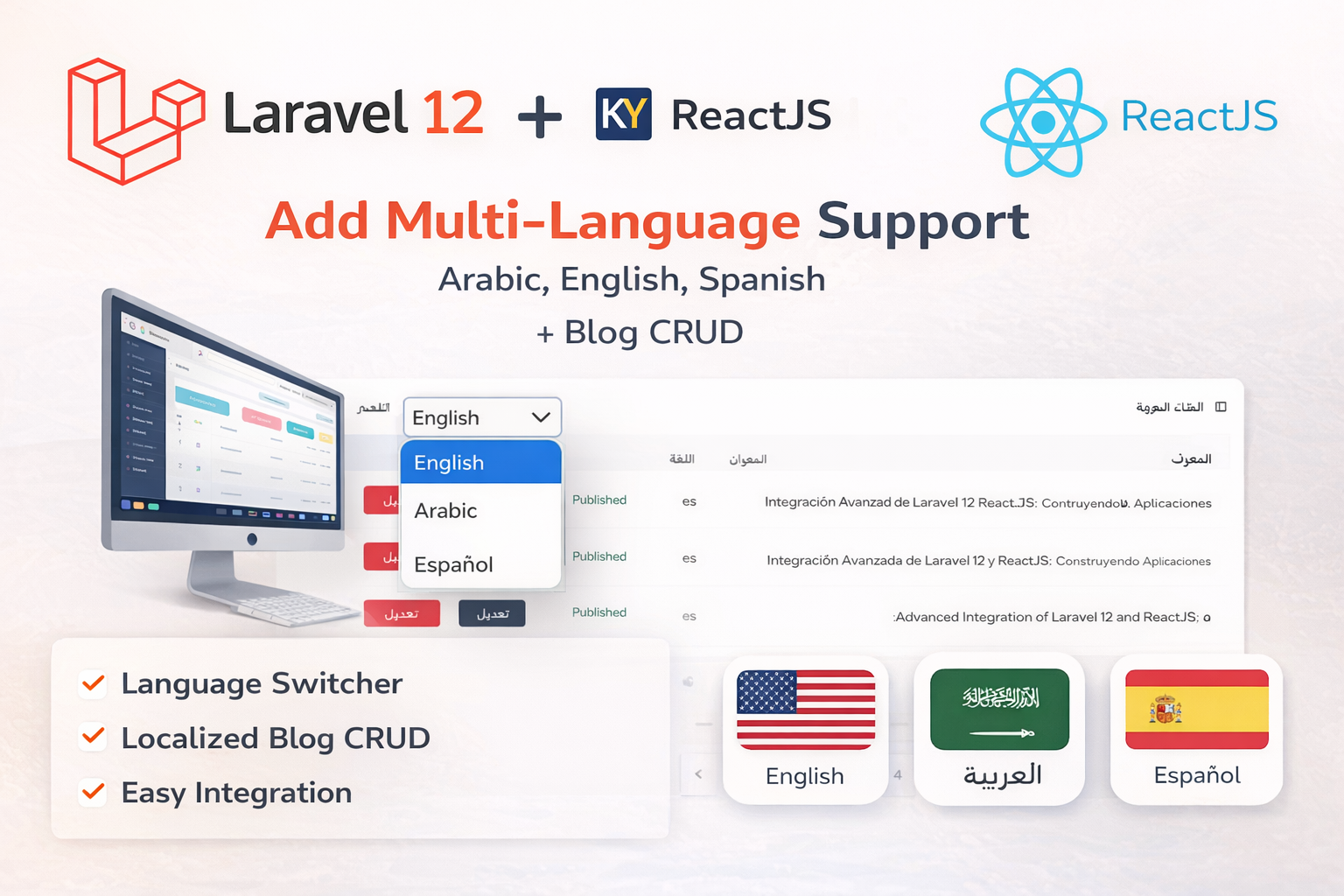
Laravel 12 + ReactJS Starter Kit: Add Multi-Language Support (Arabic, English, Spanish) with Blog CRUD
🚀 Installation & Setup Download & Extract Get the ZIP from kritimyantra.com and extract it. Includes preconfigu...
Getting Started with Laravel Starter Kits: Build Apps Faster
Below is the HTML-rich text version you can paste into your blog’s rich text editor: --- Getting Started with Laravel Starter Kits...
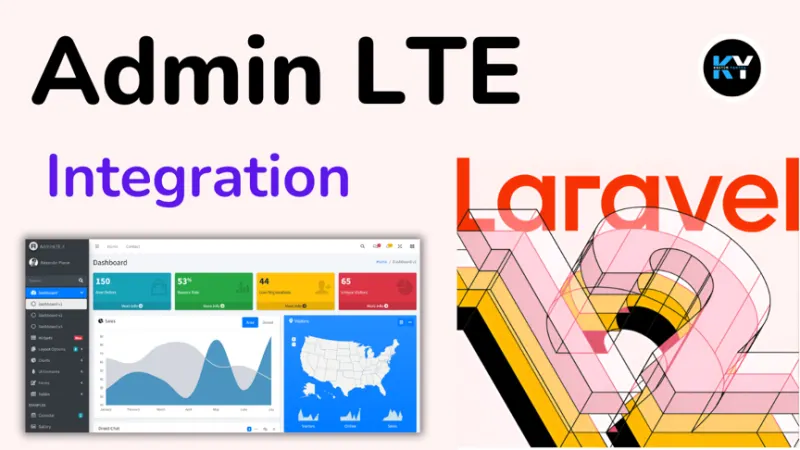
Laravel 12 & AdminLTE Integration: Setup Your Stunning Admin Dashboard
AdminLTE is a popular, open-source admin dashboard template built with Bootstrap. It offers a sleek, responsive, and customizable...
Top 10 Essential Laravel 12 Packages for Your Next Project
Laravel 12: A Quick Overview Laravel 12 is the latest iteration of the beloved PHP framework, crafted for web artisans who value e...
Comments
No comments yet. Be the first to comment.
Sign in to join the discussion.