
Laravel vs Express.js: Which Backend Framework Should You Choose?

Choosing the right backend framework can feel like picking the right vehicle for a long journey.
Do you want something feature-rich and structured, like a comfortable SUV (Laravel)?
Or something lightweight and fast, like a motorbike (Express.js)?
Both will get you to your destination—but how they get you there is very different.
In this post, we’ll help you decide whether Laravel (PHP) or Express.js (Node.js) is the better choice for your next project.
🔍 First, What Are Laravel and Express.js?
🛠 Laravel: The Full-Featured PHP Framework
Laravel is a backend web application framework built on PHP. It follows the MVC (Model-View-Controller) pattern and is designed to simplify complex tasks like routing, authentication, database management, and more.
✅ What makes Laravel special:
- Clean, elegant syntax
- Built-in tools (auth, mail, queues, migrations)
- Blade templating engine
- Eloquent ORM (for SQL databases)
- Artisan CLI for automation
🧠 Think of Laravel as a well-equipped kitchen. You get all the tools out of the box to cook up a full-course application.
🛠 Express.js: The Minimalist Node.js Framework
Express.js is a web framework for Node.js. It’s lightweight, unopinionated, and extremely flexible. Express doesn’t dictate how you should build—you decide.
✅ Why developers love Express:
- Minimal setup, maximum flexibility
- Built for speed and scalability
- Middleware-based architecture
- Perfect for APIs and microservices
🧠 Think of Express like a food truck: compact, fast, customizable, and ready to go anywhere.
🧠 Laravel vs Express.js: Side-by-Side Comparison
| Feature/Aspect | Laravel | Express.js |
|---|---|---|
| Language | PHP | JavaScript (Node.js) |
| Architecture | MVC (opinionated) | Minimal (unopinionated) |
| Setup Time | Longer (but more pre-built tools) | Faster (but you assemble the parts) |
| Database Support | MySQL, PostgreSQL, SQLite (ORM: Eloquent) | Any (MongoDB, SQL, etc. via libraries) |
| Performance | Great for most apps | Excellent for high-speed, async apps |
| Learning Curve | Moderate (but very structured) | Easy to start, harder to scale well |
| Use Case | Full-stack apps, CMS, SaaS | REST APIs, real-time apps, microservices |
💻 Code Comparison: Routing Example
Let’s say we want to display a list of users at /users.
Laravel (PHP):
// routes/web.php
Route::get('/users', [UserController::class, 'index']);
Express.js (Node.js):
// routes.js
app.get('/users', (req, res) => {
  res.send('User list');
});
👉 Laravel is more structured—routes go to controllers by default.
👉 Express is more flexible—you can define logic right in the route.
📦 Built-In Tools vs Flexibility
Laravel: All-in-One
Laravel includes tools like:
- Authentication (
php artisan make:auth) - Migrations & seeders for DB
- Queues & Jobs
- Mail, Notifications, Broadcasting
- Blade templates for frontend
✅ Great for projects where you want to focus more on features and less on setup.
Express.js: Pick and Mix
Express is minimalist. You add what you need:
passport.jsfor authmongoosefor MongoDBsequelizefor SQL databasesnodemailerfor sending email
✅ Ideal if you want full control over every piece of your stack.
🌍 Real-World Use Cases
| Project Type | Best Choice | Why? |
|---|---|---|
| CMS or Blog | Laravel | Blade templates + Eloquent ORM make it easy |
| Real-time Chat App | Express.js | Works great with WebSockets and Node's async power |
| REST API for a mobile app | Express.js | Fast setup + JSON handling + flexibility |
| Admin dashboard (built-in UI) | Laravel | Auth, routing, DB—everything’s ready |
| Microservices architecture | Express.js | Lightweight and scalable |
| SEO-optimized web app | Laravel | Server-side rendering with Blade |
🧑💻 Developer Experience
Laravel:
- Very structured: You follow Laravel’s conventions
- Excellent documentation
- Artisan CLI simplifies daily tasks
- Built-in testing tools
Express.js:
- More freedom (and responsibility)
- Tons of tutorials and npm packages
- You decide the architecture
- Requires more boilerplate as your app grows
🎯 When to Choose What?
✅ Choose Laravel if:
- You love structure and clean code
- You're building a monolithic or full-stack web app
- You prefer built-in features (auth, DB, routing)
- You're working with PHP or migrating a PHP app
✅ Choose Express.js if:
- You want lightweight performance
- You're building REST APIs or microservices
- You want to use JavaScript across frontend and backend
- You need fast real-time processing (e.g., chats, games)
🧾 Key Takeaways
- Laravel is like a Swiss army knife for PHP developers—structured, all-in-one, and ideal for full-stack apps.
- Express.js is a fast, flexible toolkit for JavaScript devs—perfect for APIs, microservices, and real-time systems.
- Laravel guides you, Express.js frees you.
- Choose based on your project needs, tech comfort, and team size.
🚀 Final Thoughts
There’s no “one size fits all.” The best framework is the one that:
- Solves your problem efficiently
- Matches your team’s skillset
- Fits your long-term goals
Whether you choose Laravel or Express.js, you’re building with battle-tested, developer-approved tools.
Build with confidence. Learn with curiosity. And code with joy. 💻❤️
💬 Which one do you prefer—Laravel or Express? Have you used both? Let us know in the comments below!
Projects to explore next
Source-code projects from the KritiMyantra catalogue. Check each project's details before buying.
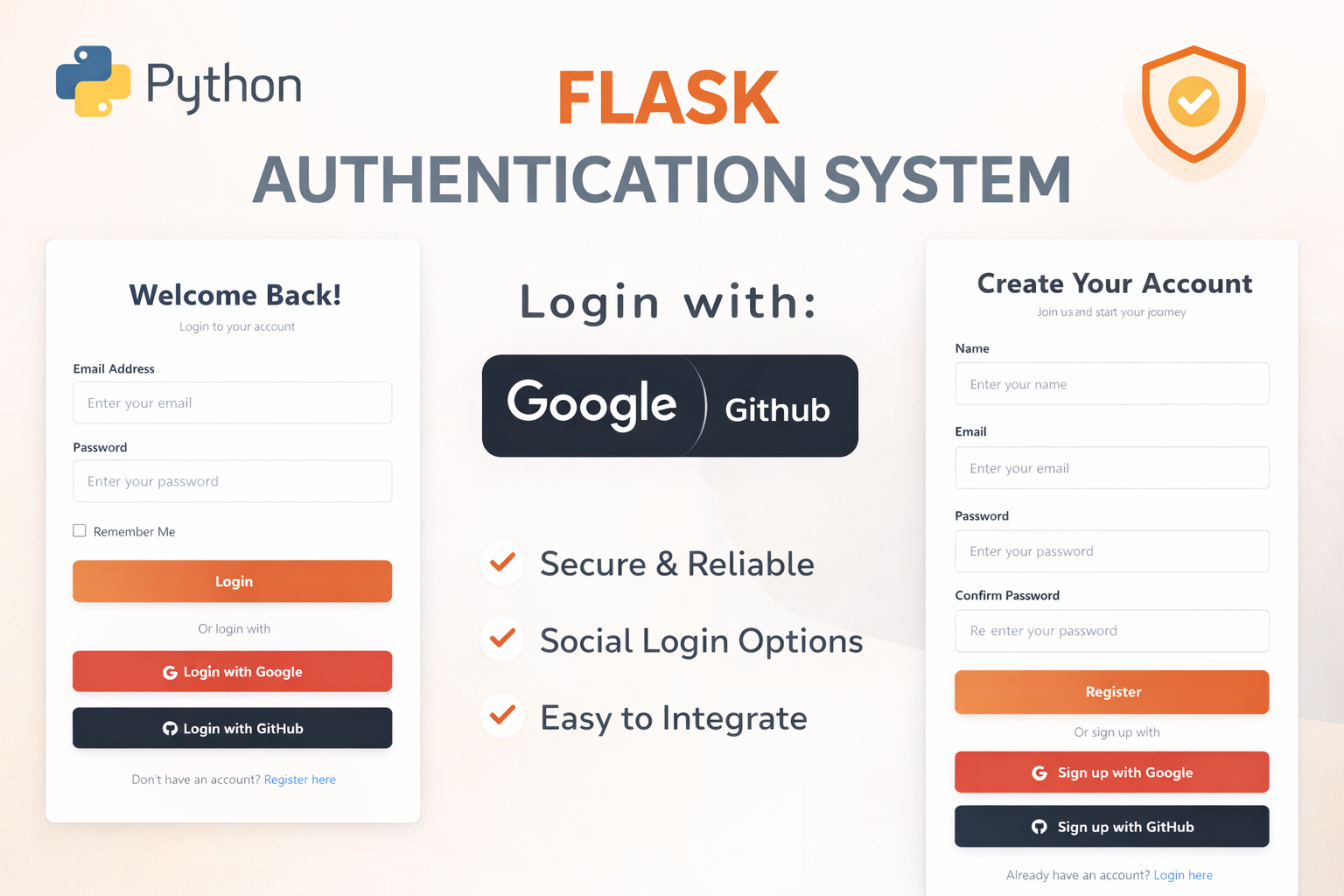
Flask Authentication System (Free Version) - Kritim Yantra
🛠 Features✔ Google & GitHub Authentication✔ User Registration & Login✔ Profile/Dashboard Access✔ Secure & Mi...

Flask Blog CMS with Admin Dashboard — Python Source Code
A Flask-based blogging website with a built-in admin dashboard. Manage articles, images, categories, tags and featured p...
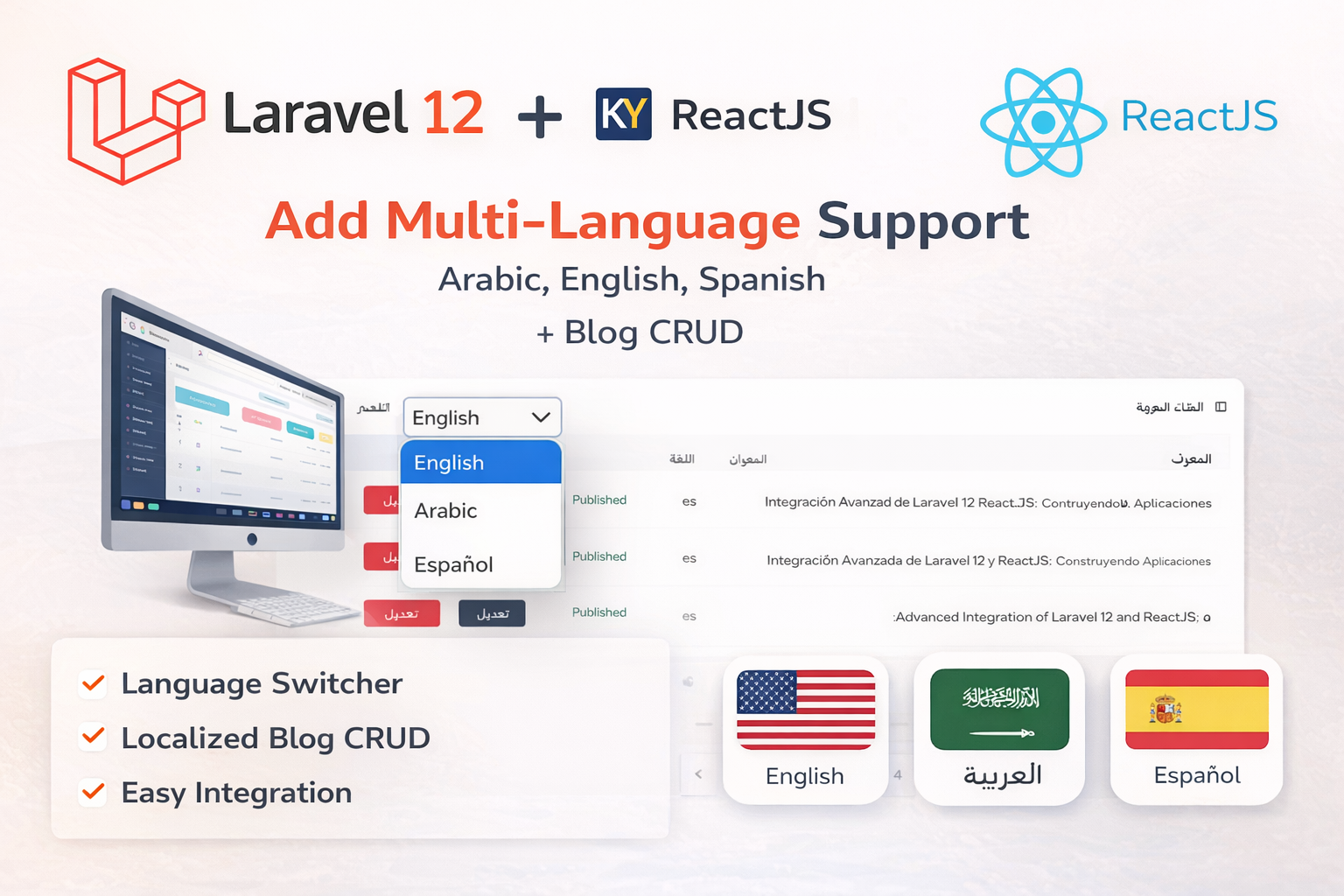
Laravel 12 + ReactJS Starter Kit: Add Multi-Language Support (Arabic, English, Spanish) with Blog CRUD
🚀 Installation & Setup Download & Extract Get the ZIP from kritimyantra.com and extract it. Includes preconfigu...
😱 I Tried Laravel 12 + ReactJS for 30 Days… Here’s What Blew My Mind!
🤯 “What if I told you that you could build apps faster, write cleaner code, AND actually enjoy working again?”Yeah, I wouldn’t ha...
💡 I Quit Overcomplicating Web Dev — Laravel 12 and ReactJS Saved My Sanity 😮💨
"You don’t need 8 libraries, 6 setups, and 3 devs to build a great app. You need clarity." Let me guess:You’re tired.Tired of deci...
Why You Should Use Queues in Laravel 12 (And How to Get Started)
📦 What Are Queues? Imagine this:Your user clicks "Submit" on a form, and the app sends an email, generates a PDF, resizes an imag...
Comments
No comments yet. Be the first to comment.
Sign in to join the discussion.